

Medical-Grade, Physician-Led HBOT in West Palm Beach, FL
For patients in Palm Beach County searching for “hyperbaric oxygen therapy near me,” the type of chamber and the level of medical oversight matter as much as the location. At The Longevity Centers FL suite inside Hippocrates Health Institute, hyperbaric oxygen therapy is administered using a medical-grade, hard-shell chamber, under the oversight of Ben Kosubevsky, DO, our Medical Director.
Hyperbaric oxygen therapy (HBOT) increases the amount of oxygen available to the body by combining elevated atmospheric pressure with supplemental oxygen. The FDA has cleared hyperbaric chambers of this kind for a specific list of medical conditions, and clinical protocols for those indications generally use pressures at or above 2.0 atmospheres absolute (ATA) with 100% oxygen.[1] Understanding what a hard-shell, medical-grade chamber can offer, compared to the mild hyperbaric protocols available elsewhere, is an important first step before beginning treatment.

What Is Hard-Shell (Monoplace) Hyperbaric Oxygen Therapy?
A hard-shell hyperbaric chamber is a rigid, sealed chamber, most often a clear acrylic tube, that can be pressurized well beyond normal atmospheric levels. Patients lie inside the chamber and breathe close to 100% oxygen while the surrounding pressure gradually increases.[2] This is the type of device used in hospital-based wound care centers, and it is the type the FDA has evaluated and cleared for specific medical indications.
How Hyperbaric Oxygen Therapy Supports Healing
At the pressures used in a medical-grade chamber, and consistent with Henry’s Law, the amount of oxygen dissolved directly in the blood plasma rises well above normal levels.[2] This additional oxygen is believed to support several mechanisms central to healing:
- Angiogenesis: formation of new blood vessels through increased VEGF (vascular endothelial growth factor) activity, supporting long-term blood supply to injured tissue[3][4]
- Fibroblast activity and collagen synthesis: central to closing wounds and rebuilding tissue structure[3]
- Reduced inflammation and edema: elevated oxygen levels can help constrict swollen blood vessels and reduce tissue swelling[3]
- Antimicrobial support: higher oxygen concentrations can impair the growth of certain bacteria and support the body’s own immune response[3]
FDA-Cleared Uses of Hyperbaric Oxygen Therapy
The FDA has cleared hyperbaric chambers for the treatment of a specific list of medical conditions, when administered under physician supervision. As of the FDA’s most recently published guidance, these include:[1]
- Air and gas bubbles in blood vessels (air or gas embolism)
- Severe anemia, when blood transfusions cannot be used
- Severe and large burns, treated at a specialized burn center
- Carbon monoxide poisoning
- Crush injury
- Decompression sickness (a diving-related risk)
- Gas gangrene
- Sudden, complete hearing loss of unknown cause
- Severe infection of the skin and bone
- Radiation injury
- Skin graft or flap at risk of tissue death
- Sudden, painless vision loss in one eye due to blocked blood flow
- Non-healing wounds, including diabetic foot ulcers
Whether HBOT is appropriate for any of these conditions is a decision made between a patient and their treating physician. The FDA has also specifically cautioned that some hyperbaric providers market chambers for conditions that have not been cleared or approved, such as cancer, autism, or Alzheimer’s disease.[1] LCOA’s hard-shell chamber is available to support patients whose physicians have identified HBOT as part of their care plan, as well as patients pursuing hyperbaric oxygen therapy for general recovery and wellness support.
Why Choose LCOA’s Hippocrates Suite
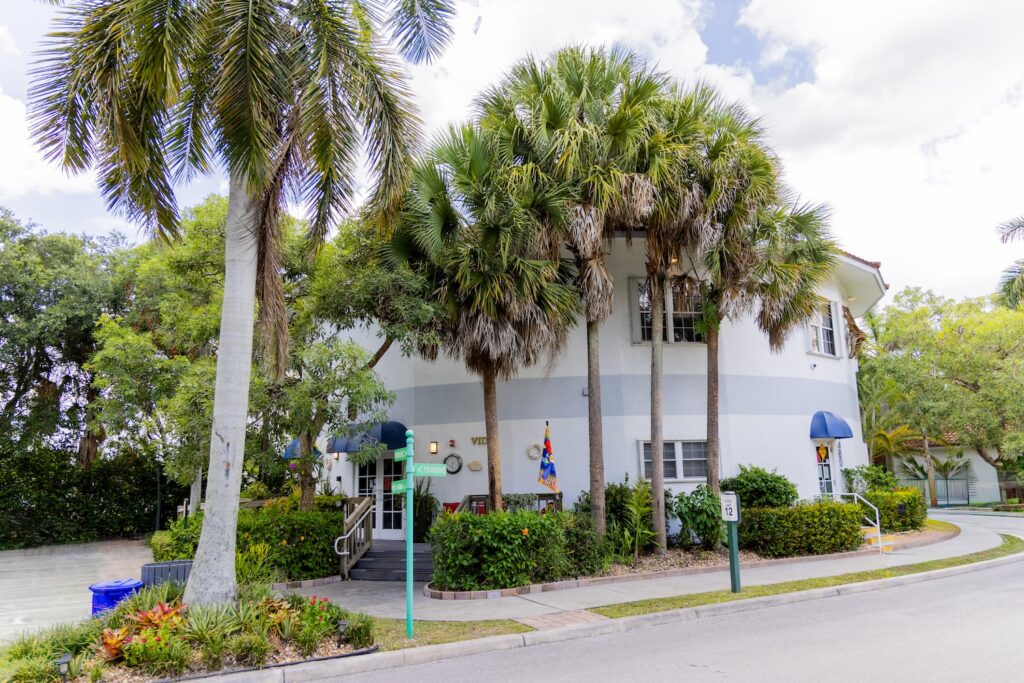
What Sets This Location Apart?
- A medical-grade, hard-shell chamber administered under physician oversight
- Ben Kosubevsky, DO, serving as Medical Director for the program
- Located inside the wellness-focused Hippocrates Health Institute campus in West Palm Beach
- Coordination with LCOA’s broader IV therapy and longevity programs
- Personalized candidacy screening before every course of treatment
What Our HBOT Approach Includes
- Personalized candidacy screening, evaluating factors such as ear health, lung history, and current medications
- A protocol built around your specific goals, whether that means supporting a physician-directed treatment plan or pursuing general recovery
- Supervised administration of each session inside our hard-shell chamber
- Ongoing communication with your treating physician when HBOT is part of a broader medical plan
- Coordination with any complementary therapies you pursue through LCOA
Who Should Consider This Chamber?
Our hard-shell, medical-grade chamber may be appropriate if you:
- Have a medical condition for which your physician has recommended hyperbaric oxygen therapy
- Are recovering from a wound, surgery, or injury that is healing slowly
- Have been advised to pursue HBOT as part of a physician-directed treatment plan
- Are interested in a higher-pressure protocol for recovery or wellness support, following a candidacy evaluation
Hyperbaric oxygen therapy is not appropriate for everyone. The only absolute contraindication is untreated pneumothorax (a collapsed lung), due to the risk of it becoming life-threatening as pressure changes.[5] Patients who are pregnant, have a history of certain lung conditions, uncontrolled seizure disorder, certain ear or sinus conditions, or have recently received specific chemotherapy agents such as bleomycin or doxorubicin should not undergo HBOT without a full evaluation and clearance.[5] A thorough screening is completed with every patient before beginning treatment.
Frequently Asked Questions
What is medical-grade or hard-shell hyperbaric oxygen therapy?
Medical-grade hyperbaric oxygen therapy uses a rigid, pressurized chamber and close to 100% supplemental oxygen, typically at pressures at or above 2.0 ATA. It is the type of device the FDA has cleared for a specific list of medical conditions, and it is administered under physician oversight.
Who oversees HBOT at the Hippocrates suite?
Hyperbaric oxygen therapy at our Hippocrates Health Institute suite is administered under the oversight of Ben Kosubevsky, DO, LCOA’s Medical Director.
What conditions is HBOT cleared to treat?
The FDA has cleared hyperbaric chambers for conditions including decompression sickness, carbon monoxide poisoning, and certain non-healing wounds, among others, when administered under physician supervision. A full list is provided above. Whether HBOT is right for a specific condition is a decision made with your treating physician.
Is this the same as the mild hyperbaric therapy offered at other wellness clinics?
No. Mild, soft-shell hyperbaric chambers, like the one available at our Orlando, FL location, operate at lower pressures using ambient air and are designed for general wellness support. Our suite at Hippocrates Health Institute uses a hard-shell, medical-grade chamber with supplemental oxygen.
References
- “Hyperbaric Oxygen Therapy: Get the Facts,” U.S. Food and Drug Administration, https://content.govdelivery.com/accounts/USFDA/bulletins/2e9bfc7
- Mark W. Jones, et al., “Hyperbaric Physics,” StatPearls, NCBI Bookshelf, https://www.ncbi.nlm.nih.gov/books/NBK448104/.
- “Hyperbaric Oxygen Therapy in Modern Surgical Practice: Mechanistic Basis and Clinical Applications Across Specialties,” PMC, National Library of Medicine, https://pmc.ncbi.nlm.nih.gov/articles/PMC12924891/.
- “The impact of hyperbaric oxygen therapy on serological values of vascular endothelial growth factor (VEGF) and basic fibroblast growth factor (bFGF),” PMC, National Library of Medicine, https://pmc.ncbi.nlm.nih.gov/articles/PMC3022549/.
- Rohin Gawdi, et al., “Hyperbaric Oxygen Therapy Contraindications,” StatPearls, NCBI Bookshelf, https://www.ncbi.nlm.nih.gov/books/NBK557661/.